
2 min read

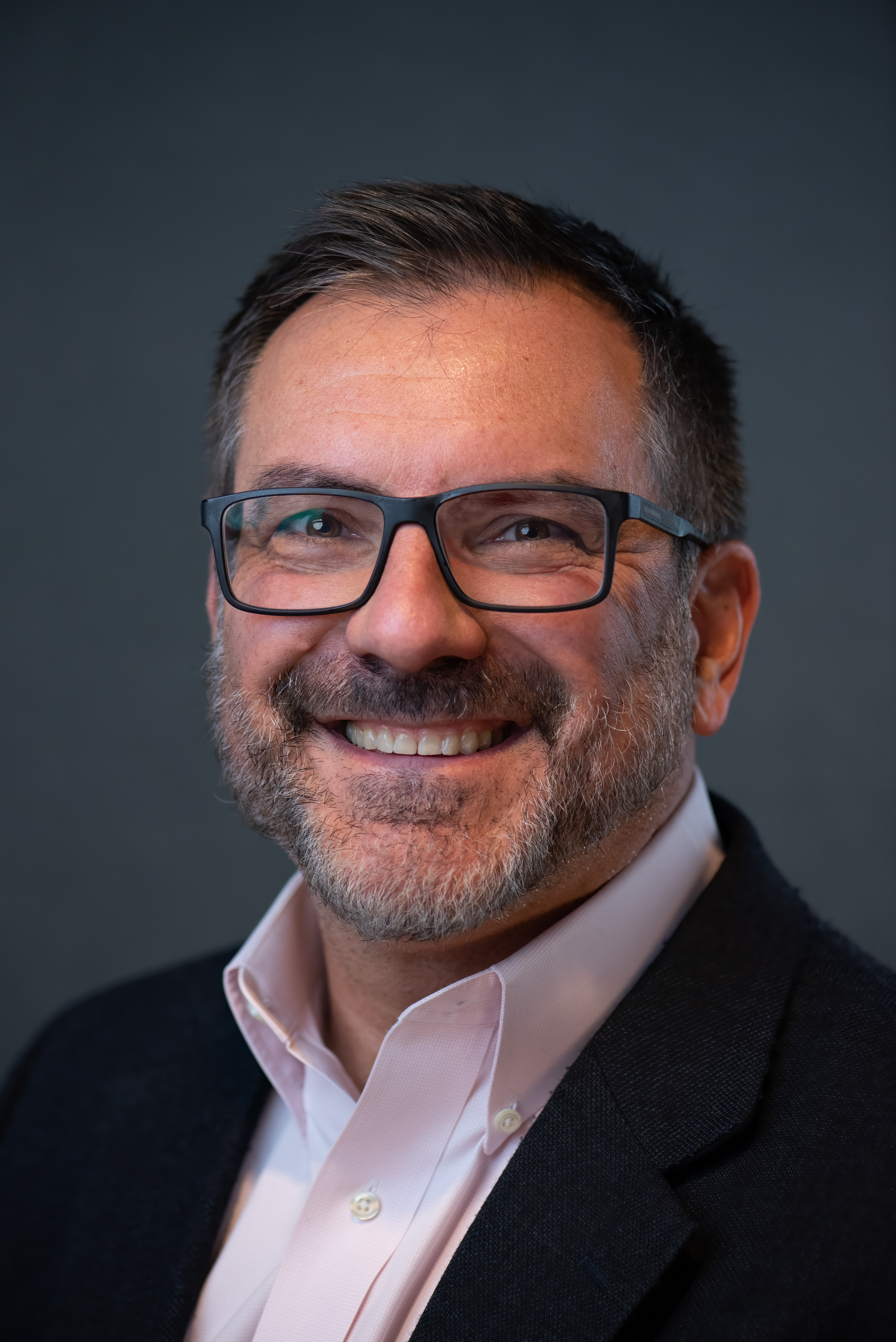
Kalepa's Paul Monasterio: AI Has to Earn Its Authority

Kalepa's Paul Monasterio: AI Has to Earn Its Authority

Insurance AI is moving beyond document extraction and isolated administrative tasks. The harder question is how much authority a system should have when its work affects price, terms and portfolio results. Kalepa says that decision should depend on the workflow, the line of business and evidence from the insurer’s own operation. The company announced a $75 million Series B on Nov. 5, and says it will use the funding to expand its product and enter new markets.

Why bring a technology leader from consumer lending into insurance?

“We wanted someone who knows what it takes to put AI into production at scale and build the engineering teams behind it,” says Kalepa CEO Paul Monasterio. Kalepa’s new CTO, Garrett Schlesinger, joined Affirm as its 12th employee and helped build and scale the company’s real-time underwriting systems, Monasterio says. He says the experience transfers in speed, reliability, auditability and decision economics, while insurance adds portfolio effects and, in some lines, losses that take years to develop.

Where can an AI agent work on its own, and where should an underwriter remain involved?

Monasterio says insurers decide what authority to delegate, with Kalepa evaluating each workflow’s accuracy, the cost of an error and the points where professional judgment changes the decision. Operational work such as clearance and submission processing is “nearly always entirely automated,” he says. In underwriting, pricing and portfolio management, the division varies by line, complexity and the authority the carrier is prepared to delegate. In some cases, agents determine terms and send a quote; in others, they prepare the analysis for an experienced underwriter.

What evidence should a carrier demand before trusting a consequential output?

The starting point is a carrier-defined standard for what a correct result looks like. The insurer can then test whether the agent used the right information, interpreted the context correctly, completed the task accurately and routed exceptions appropriately. Kalepa also looks at business measures including premium growth, loss ratio and expense ratio. Monasterio says the carrier should expand authority only when it can verify both the workflow’s accuracy and its effects on those outcomes.

Kalepa reports 30%–60% more premium per underwriter, a 58% reduction in quote time and a 960-basis-point combined-ratio improvement. How does it assess the results?

Monasterio says that, where feasible, the company compares a test group with a comparable control group writing similar business over the same period. For longer-tail lines, an insurer’s actuaries use information available at the original underwriting date and later loss experience to estimate the ultimate effect of different selection, pricing or terms. The long-tail loss-performance contribution is an actuarial estimate, not a fully developed result. Kalepa describes the combined-ratio benefit as coming in broadly similar measure from lower expenses and improved loss performance, with the mix depending on the insurer’s starting point.

What tends to separate a production deployment from a stalled pilot?

A clear business outcome, a way to measure it and an operating process designed around that outcome. Monasterio says pilots can stall when AI is added to one step without rethinking the process, or when the technology team is disconnected from the business owners. He argues that junior underwriters should get judgment calls earlier as AI takes on more groundwork, with experienced colleagues reviewing decisions and coaching them.

When the Phones Break First: Liberate's Tom Freeland on CAT Claims

When the Phones Break First: Liberate's Tom Freeland on CAT Claims

A hurricane makes landfall and the claims operation gets its hardest test of the year. This time it gets it with fewer people. Sedgwick expects about...
Read More
When the Caller Is a Bot: Liberate's Amrish Singh on AI Shoppers

When the Caller Is a Bot: Liberate's Amrish Singh on AI Shoppers

Consumer AI assistants have started picking up the phone and calling insurers for quotes. Meta's Muse agent launched in the U.S. in September and...

Read More
The Zebra's Daniel Herrington on AI Agents That Shop for Insurance

The Zebra's Daniel Herrington on AI Agents That Shop for Insurance

Personal AI agents can already gather driver and vehicle information, test coverage options and return quotes. But the final step, completing a...

Read More