
3 min read
Florida's Captive Insurance Market: Opportunities and Key Developments
Executive Summary Florida is positioning itself to become a significant domicile for captive insurance companies, aiming to increase its captive...
2 min read
Nicholas Lamparelli
:
Mar 17, 2026 3:55:13 PM
Florida's captive market isn't growing because of legislative reform, it's growing because the state is making it expensive for companies to domicile their captives anywhere else.
The numbers tell a compelling story. After housing just one captive for years, Florida added two more in 2025, including its first-ever redomestication from Utah. But the real driver isn't Florida's captive-friendly legislation, which has barely changed since 1982. It's the state's aggressive enforcement of self-procurement taxes that penalize Florida companies for keeping their captives domiciled elsewhere.
This tax strategy represents a fundamentally different approach to building a captive domicile. While Vermont, Delaware, and other established markets compete by making their jurisdictions more attractive, Florida is making everywhere else more expensive for its resident companies.
Ben Stearns from the newly formed Florida Captive Insurance Association confirms that self-procurement tax exposure has "changed the financial calculations" for captive owners. When your captive domiciled in Vermont or the Caymans suddenly faces additional tax liability for insuring Florida risks, redomestication starts looking attractive despite Florida's shortcomings.
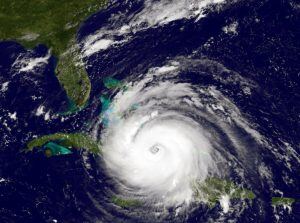
This matters because Florida has enormous captive potential that remains untapped. The state hosts some of the highest concentrations of insured risk in America, particularly in property lines exposed to Atlantic hurricanes. Commercial market capacity constraints in Florida property catastrophe naturally push companies toward captive solutions.
Yet Florida's captive statute remains antiquated. The state charges a 1.75% premium tax while competitors like Vermont and Tennessee typically charge around 0.4%. Florida only just passed protected cell legislation in March 2026, a structure that's been standard elsewhere for decades.
The absence of an established captive ecosystem in Florida creates unusual opportunities. Service providers who might struggle to break into mature markets like Vermont are expressing interest in supporting Florida captives if statutory reforms continue.
More importantly, Florida can build its regulatory approach from scratch rather than working around decades of accumulated precedent. The Florida Office of Insurance Regulation doesn't have entrenched relationships with existing captive managers or rigid interpretations of outdated statutes.
The Florida Captive Insurance Association plans to push comprehensive statutory reform after the current legislative session, focusing on premium tax reduction and broader structural improvements. Starting with a blank slate means they can design for modern captive needs rather than retrofitting old frameworks.
Florida companies with existing captives should evaluate their domicile decisions now, before the state's tax enforcement becomes more systematic. The first redomestication signals that Florida regulators are prepared to support these moves, and early movers often receive more favorable treatment.
For service providers, Florida represents a rare opportunity to establish market position in an emerging domicile. The state's massive risk base and improving regulatory framework could support substantial captive growth if statutory reforms succeed.
The broader lesson extends beyond Florida. States with significant insured risk but underdeveloped captive markets may follow Florida's model, using tax policy to force resident companies to redomesticate rather than competing solely on regulatory attractiveness.
*This article was inspired by and builds on: First Florida Redomestication and Reform Support Could Trigger Captive Market Upturn, Captive Review. Read the original for full details.*
*Source: Captive Review | Tags: captives, florida, redomestication, self-procurement-tax, risk-management*
3 min read
Executive Summary Florida is positioning itself to become a significant domicile for captive insurance companies, aiming to increase its captive...

3 min read
Florida’s property insurance market, long known for its volatility and challenges, is entering a new era of stability, affordability, and optimism. ...
8 min read
Production Opportunities in a Slow Market by Dustin Helmenstine, CIC, AINS In this time of uncertainty, it is common for me to hear that new...