2 min read
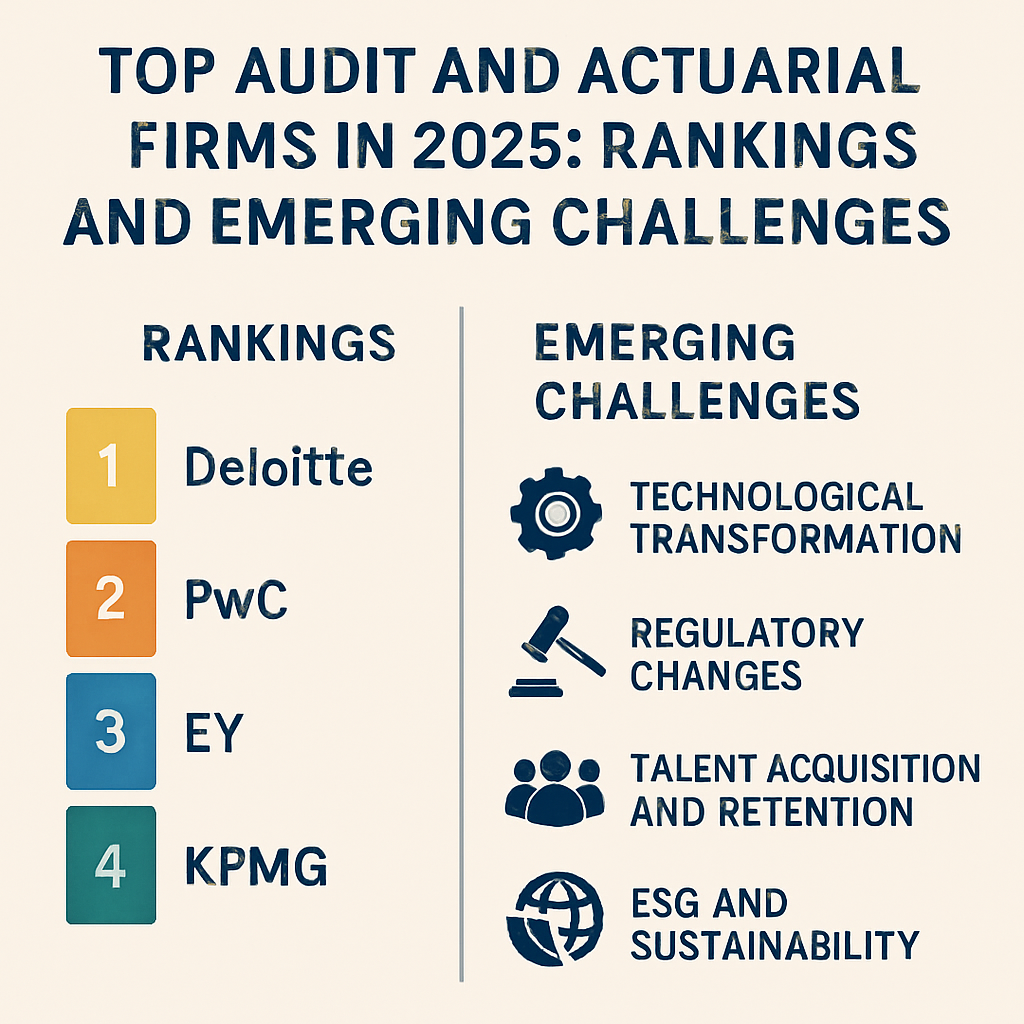
Top Audit and Actuarial Firms in 2025: Rankings and Emerging Challenges
The December 2025 issue of Best’s Review features a comprehensive special section on the top audit and actuarial firms serving the insurance...

2 min read
Nicholas Lamparelli
:
Dec 23, 2025 11:26:27 AM
Executive Summary
As artificial intelligence (AI) continues to reshape the financial services landscape, insurance professionals face unprecedented opportunities and challenges, particularly in the realm of regulatory oversight and risk management. The December 2025 edition of AM Best’s Review highlights the evolving role of insurance commissioners in adapting regulatory frameworks to accommodate AI innovations and the integration of risk-based capital approaches. This article distills key insights from the original analysis and explores their significance for insurers, agents, and underwriters navigating a rapidly transforming industry.
Insurance regulators are increasingly focused on balancing innovation with consumer protection, emphasizing transparency and accountability in AI-driven decision-making processes. The deployment of AI tools in underwriting, claims management, and fraud detection demands that insurance entities enhance their governance structures and risk assessment methodologies. Additionally, the refinement of risk-based capital models to incorporate AI-related risks underscores the necessity for insurers to adapt their capital adequacy strategies proactively.
Key Insights
Regulatory Adaptation to AI Technologies
Insurance commissioners are working to update regulatory standards that reflect the capabilities and risks associated with AI. This includes setting guidelines for algorithmic transparency and fairness, ensuring AI tools do not perpetuate bias or compromise policyholder interests.
Enhanced Risk-Based Capital Methodologies
The integration of AI introduces new dimensions of operational and cyber risks, prompting revisions to risk-based capital frameworks. Insurers must account for these factors when calculating capital reserves to maintain solvency and financial stability.
Focus on Data Governance and Ethical AI Use
Sound data governance practices are critical as AI systems rely heavily on large datasets. Regulators are advocating for stringent controls to safeguard data privacy and integrity, which are foundational to effective AI deployment in insurance operations.
Collaborative Regulatory Approaches
There is a growing trend toward collaborative engagement between regulators, insurers, and technology providers. This dialogue aims to foster innovation while aligning regulatory expectations with emerging technological realities.
Impact on Underwriting and Claims Processing
AI-driven automation is transforming underwriting precision and claims efficiency. Regulators emphasize the need for adequate oversight to ensure these processes remain fair, reliable, and compliant with existing insurance laws.
Insurance Industry Applications
For Insurance Companies: Integrating AI into underwriting requires robust validation frameworks to demonstrate compliance with emerging regulatory standards. Companies should invest in explainable AI models that facilitate transparency for both regulators and consumers.
For Agents: Leveraging AI tools can enhance customer profiling and personalized product recommendations. Agents must stay informed about compliance requirements related to AI usage to maintain trust and mitigate liability.
For Underwriters: AI offers improved risk assessment capabilities but also introduces new operational risks. Underwriters should collaborate with risk management and compliance teams to incorporate AI-specific risks into their evaluation criteria and capital planning.
For Risk and Compliance Officers: Developing comprehensive AI governance policies that address ethical use, bias mitigation, and data security is essential. Regular audits and reporting mechanisms aligned with regulatory expectations will support ongoing compliance.
Conclusion and Recommendations
Insurance professionals must recognize that AI is not merely a technological enhancement but a catalyst for regulatory evolution and risk management transformation. Proactively engaging with regulators, adopting transparent AI methodologies, and revising risk-based capital frameworks will position insurers to capitalize on AI benefits while safeguarding policyholder interests. To remain competitive and compliant, insurance entities should prioritize cross-functional collaboration, invest in AI literacy, and implement dynamic governance structures that keep pace with regulatory developments.
For a detailed exploration of insurance regulation, commissioners’ perspectives, and the intersection of AI with risk-based capital, refer to the original article published in AM Best’s Review, December 2025 edition, available at AM Best’s Review December 2025.
2 min read
The December 2025 issue of Best’s Review features a comprehensive special section on the top audit and actuarial firms serving the insurance...

4 min read
Using Processes to Maintain Relationship Focus in the Insurance Ecosystem by Carly Burnham This article originally published in Carly’s monthly...
4 min read
Technology Will Improve Our Customers’ Lives by Carly Burnham This article originally published in Best’s Review in May 2018. I’ve often...