1 min read

Tesla's Camera-Only Vision Creates a Blind Spot for Auto Insurers

Tesla's Camera-Only Vision Creates a Blind Spot for Auto Insurers

NHTSA's escalated probe into Tesla's Full Self-Driving system exposes a fundamental flaw in how insurers evaluate autonomous vehicle risk when manufacturers abandon proven sensor redundancy.

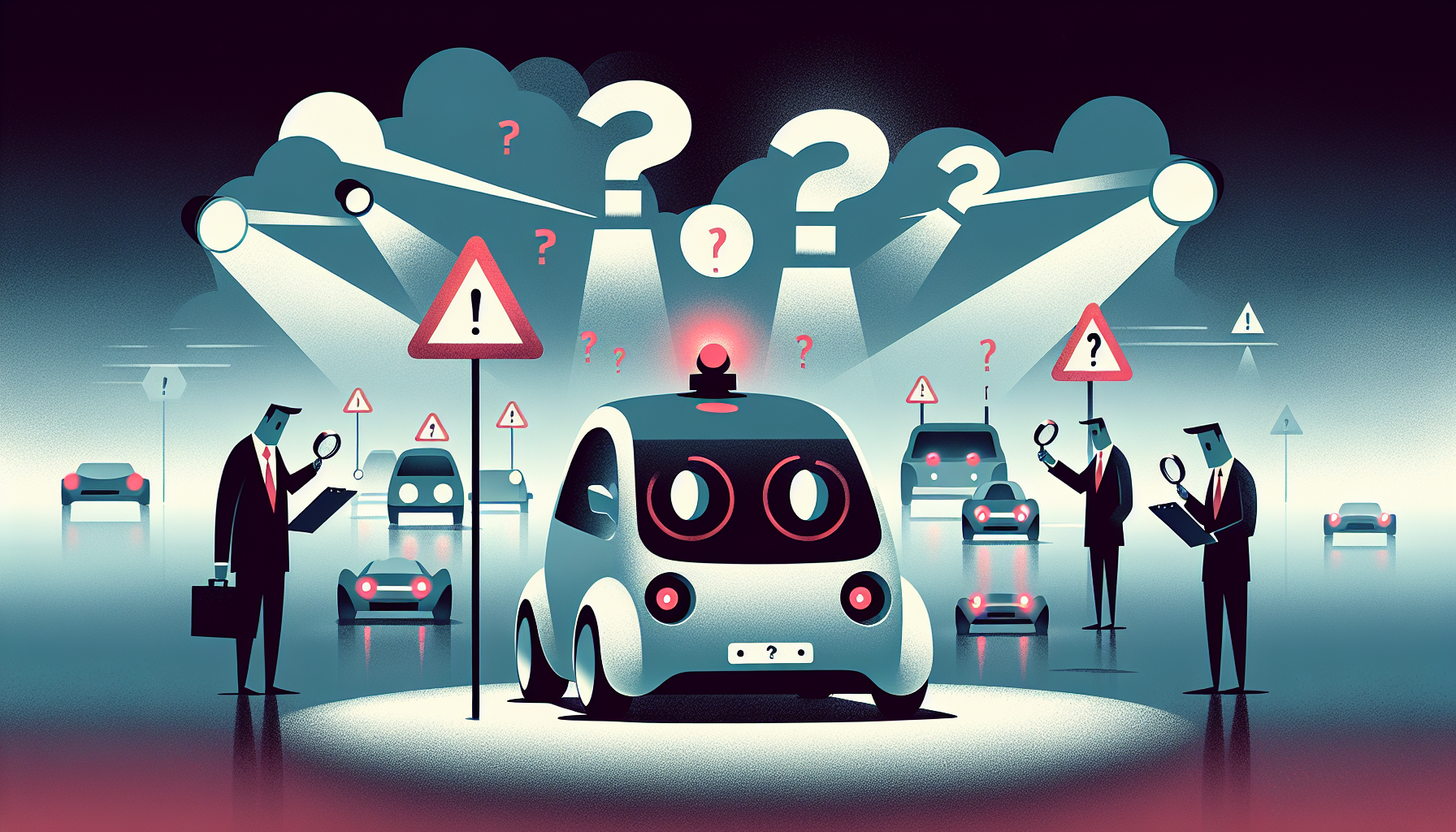
Tesla's decision in 2021 to ditch radar sensors for a camera-only approach looked like technological confidence. Now, with NHTSA investigating 3.2 million vehicles over crashes linked to impaired camera visibility, it reveals itself as a liability underwriting nightmare.

The problem isn't just technical failure. It's predictable technical failure under common conditions that any experienced claims adjuster would flag as high-risk scenarios: glare, dust, and airborne debris. These aren't edge cases. They're Tuesday afternoon driving conditions.

The Redundancy Risk Gap

Traditional automotive safety systems build in backup sensors precisely because individual components fail. Radar works when cameras can't see. Lidar penetrates conditions that blind optical systems. Tesla's "Vision-only" approach eliminated this safety net while marketing the system as capable of handling "the most stressful parts of daily driving."

For auto insurers, this creates a coverage paradox. They're pricing policies on vehicles marketed as safer than human drivers, but equipped with sensor systems less robust than conventional vehicles with both cameras and radar.

Three Critical Implications for Coverage

The Broader Autonomy Question

Tesla's camera-centric gamble illuminates a larger challenge for insurance professionals evaluating autonomous vehicle risk. Manufacturers will make different technological trade-offs between cost, capability, and redundancy. Some will prioritize sensor diversity. Others will bet on artificial intelligence compensating for hardware limitations.

The insurance industry can't simply wait for crash data to determine which approaches work. By then, millions of policies are already written and exposure is locked in.

Smart insurers are developing underwriting frameworks that evaluate not just autonomous system performance, but the engineering philosophy behind sensor selection. Systems with built-in redundancy merit different risk assessment than those betting everything on a single technology approach, no matter how sophisticated.

NHTSA's Tesla investigation should prompt every auto insurer to audit their autonomous vehicle risk models. The question isn't whether the technology will eventually work perfectly. It's whether the path to perfection creates unacceptable liability exposure for the policies you're writing today.

*This article was inspired by and builds on: NHTSA Upgrades Probe into 3.2M Teslas Over Self-Driving Crashes, Insurance Journal. Read the original for full details.*


*Source: Insurance Journal | Tags: autonomous-vehicles, tesla, auto-liability*

A Tesla Insurance Policy?

1 min read

A Tesla Insurance Policy?

A Tesla Insurance Policy? by Amber Wuollet Meet Tesla – your new insurance company! If you live in California, you may soon get the chance...

Read More
Profiles in Risk: E455 – The Wolf of Allstate; How Andrew Filar (CEO of Peachy Insurance) Build A Multi-Million Dollar Book of Business With Allstate in 3 Years

2 min read

Profiles in Risk: E455 – The Wolf of Allstate; How Andrew Filar (CEO of Peachy Insurance) Build A Multi-Million Dollar Book of Business With Allstate in 3 Years

Profiles in Risk: E455 – The Wolf of Allstate; How Andrew Filar (CEO of Peachy Insurance) Build A Multi-Million Dollar Book of Business With...
Read More
El Niño's Return Could Test Property Insurers' Catastrophe Modeling Assumptions

2 min read

El Niño's Return Could Test Property Insurers' Catastrophe Modeling Assumptions

A 62% probability of El Niño formation by September presents property insurers with a climate pattern that fundamentally alters risk concentrations...

Read More