2 min read

Understanding the Value of Parametric Insurance in Modern Risk Transfer

Understanding the Value of Parametric Insurance in Modern Risk Transfer

Executive Summary

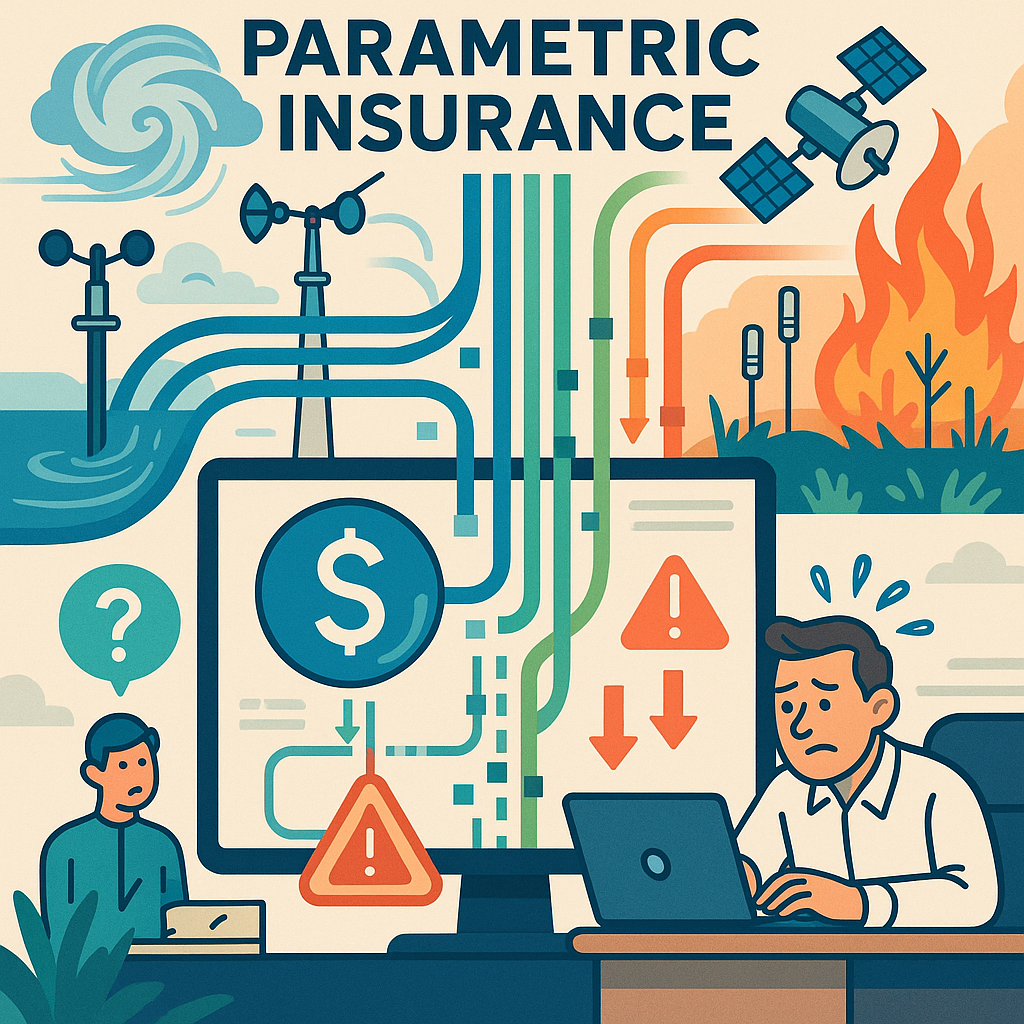
Parametric insurance represents a fundamental shift from traditional indemnity insurance by prioritizing speed and certainty of payout over exact loss indemnification. Rather than reimbursing policyholders based on assessed damages, parametric products pay out a predetermined amount when a specific, measurable trigger event occurs. This approach serves a distinct purpose: providing rapid liquidity to insureds, enabling them to maintain operations and manage cash flow immediately after a loss event.

For insurance professionals, understanding parametric insurance requires reframing the value proposition. It is not a superior form of indemnity insurance but rather a complementary instrument that addresses unique risk management needs, especially where timing and certainty of payment outweigh the need for precise loss adjustment. As the industry evolves, parametric insurance offers opportunities to tailor solutions for clients with liquidity-sensitive exposures, complex portfolios, or challenges in loss assessment, expanding the toolkit beyond traditional claims processes.

Key Insights

  • Parametric Insurance Focuses on Event Triggers, Not Loss Assessment Unlike indemnity insurance, parametric coverage pays based on an objective, pre-agreed event trigger (such as wind speed or rainfall levels) without requiring detailed damage verification. This eliminates delays associated with claims adjustment and enables faster disbursement of funds.
  • Basis Risk Is a Deliberate Tradeoff, Not a Flaw The difference between the parametric payout and actual loss, known as basis risk, is inherent to the product design. Insurance professionals must recognize basis risk as the cost of achieving speed and certainty. Sophisticated buyers evaluate whether this tradeoff aligns with their risk tolerance and liquidity needs.
  • Parametric Serves Different Risk Management Objectives Parametric insurance is suited for scenarios where maintaining cash flow and operational continuity is critical, rather than achieving complete indemnification. It addresses challenges faced by governments, businesses with time-sensitive obligations, and portfolio managers seeking aggregate risk mitigation.
  • Complementary Role Alongside Indemnity Coverage Parametric products can be layered with traditional indemnity policies, providing immediate funds post-event while standard claims proceed through adjustment. This hybrid approach enhances overall risk financing strategies by balancing liquidity and precision.
  • Market Adoption Depends on Education, Trusted Triggers, and Regulatory Clarity Successful integration of parametric insurance hinges on clear communication about product tradeoffs, reliable data sources for triggers, and regulatory frameworks that support its classification and sale. These factors influence buyer confidence and the scalability of parametric solutions.

Insurance Industry Applications

  • Government Disaster Relief and Public Sector Coverage Governments in hurricane-prone regions, such as Caribbean islands, benefit from parametric insurance by receiving rapid payouts following qualifying events. This liquidity supports essential services and disaster response efforts without waiting for lengthy damage assessments.
  • Corporate Continuity for Time-Sensitive Operations Businesses with critical payroll or supply chain obligations can leverage parametric policies to bridge cash flow gaps immediately after events like severe storms or droughts. This reduces operational interruptions and financial strain during recovery.
  • Portfolio Risk Management for Large Insurers and Reinsurers Organizations managing diversified risk portfolios can use parametric instruments to smooth aggregate losses across multiple exposures. By tolerating basis risk at an individual event level, they achieve systemic predictability and improved capital efficiency.
  • Coverage in Challenging Environments Parametric solutions are particularly valuable in remote or emerging markets where loss verification is costly or impractical. For example, agricultural insurers can provide rapid payouts based on satellite rainfall data, enhancing coverage accessibility and claim handling speed.
  • Hybrid Solutions for Enhanced Risk Financing Insurance brokers and underwriters can structure programs combining parametric layers with traditional indemnity policies, offering clients immediate liquidity alongside precise loss indemnification. This strategy meets complex client needs and differentiates product offerings.

Conclusion and Recommendations

Parametric insurance is not a replacement for indemnity insurance but a distinct risk transfer tool designed to address specific business challenges related to timing and payout certainty. Insurance professionals must guide clients through the tradeoffs involved, particularly basis risk, to ensure alignment with their financial objectives and risk appetite.

To maximize the benefits of parametric insurance, carriers, brokers, and underwriters should focus on educating buyers about the product’s purpose and limitations, investing in reliable and transparent trigger mechanisms, and advocating for clear regulatory frameworks. Moreover, developing hybrid solutions that blend parametric and indemnity coverage can provide comprehensive risk financing options tailored to evolving client needs.

By embracing parametric insurance thoughtfully and strategically, insurance professionals can expand their risk management capabilities and better serve clients facing liquidity pressures, complex portfolios, and environments where traditional claims processes fall short.

Original Source: https://mail.google.com/mail/u/0/#inbox/FMfcgzQfBPzBQzzQrwBlWGMZKcDNwXWS

Parametric Insurance Sounds Perfect. So Why’s It Still So Hard to Pull Off?

1 min read

Parametric Insurance Sounds Perfect. So Why’s It Still So Hard to Pull Off?

Parametric insurance gets a lot of airtime right now—and for good reason. It’s fast, data-driven, and doesn’t make people wait weeks for an adjuster...

Read More
The Critical Importance of Rating Agencies: Joseph Petrelli, CEO of Demotech (AoB S1E3)

4 min read

The Critical Importance of Rating Agencies: Joseph Petrelli, CEO of Demotech (AoB S1E3)

The Critical Importance of Rating Agencies: Joseph Petrelli, CEO of Demotech (AoB S1E3) by Nicholas Lamparelli Insurance company Rating...

Read More
Redefining Indemnity Insurance: Mark Groenheide, CRO of NormanMax on Parametric Insurance

Redefining Indemnity Insurance: Mark Groenheide, CRO of NormanMax on Parametric Insurance

Join Nick as he sits down with Mark Groenheide, CRO of NormanMax Insurance Services, a seasoned commercial underwriter and parametric enthusiast....

Read More