2 min read
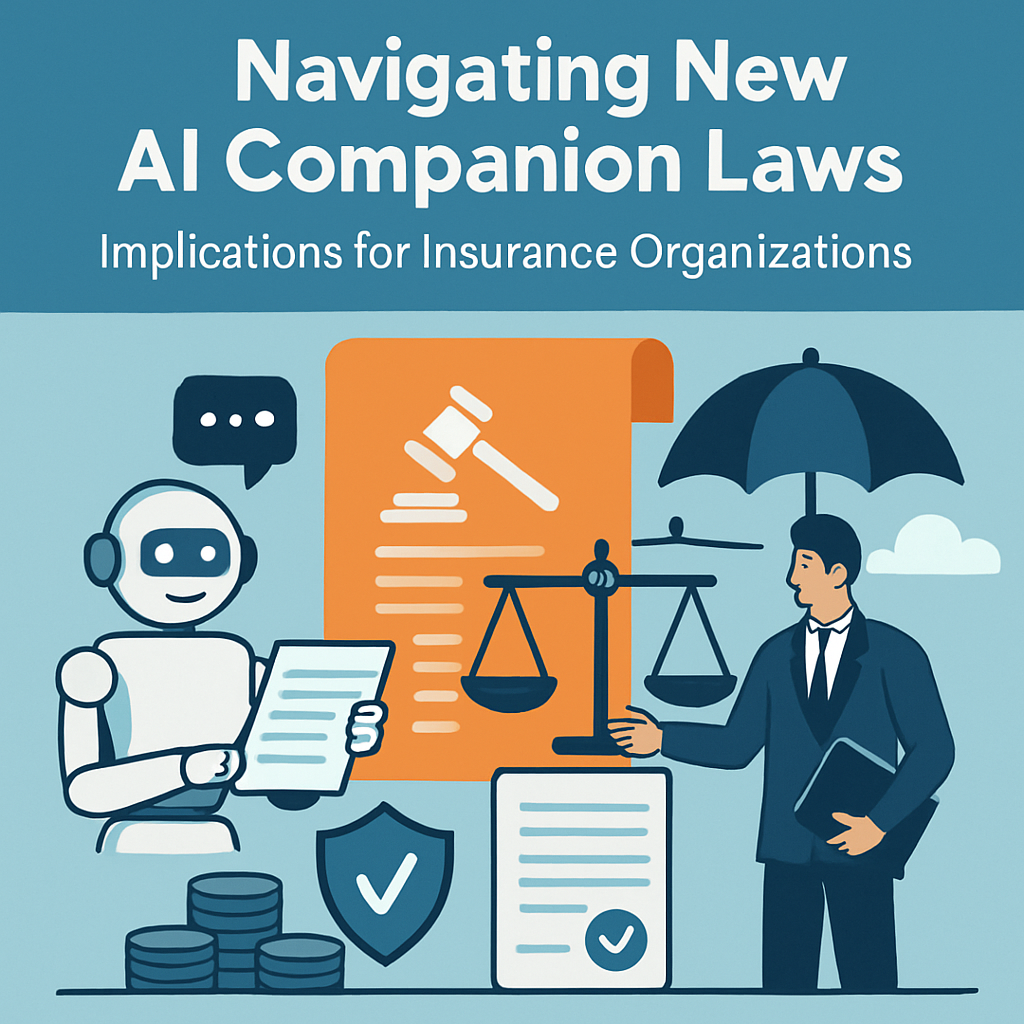
Navigating New AI Companion Laws - Implications for Insurance Organizations
As insurance organizations eagerly adopt artificial intelligence (AI) technologies, recent regulatory developments in states like New York and...

3 min read
Nicholas Lamparelli
:
Jan 14, 2026 1:58:48 PM
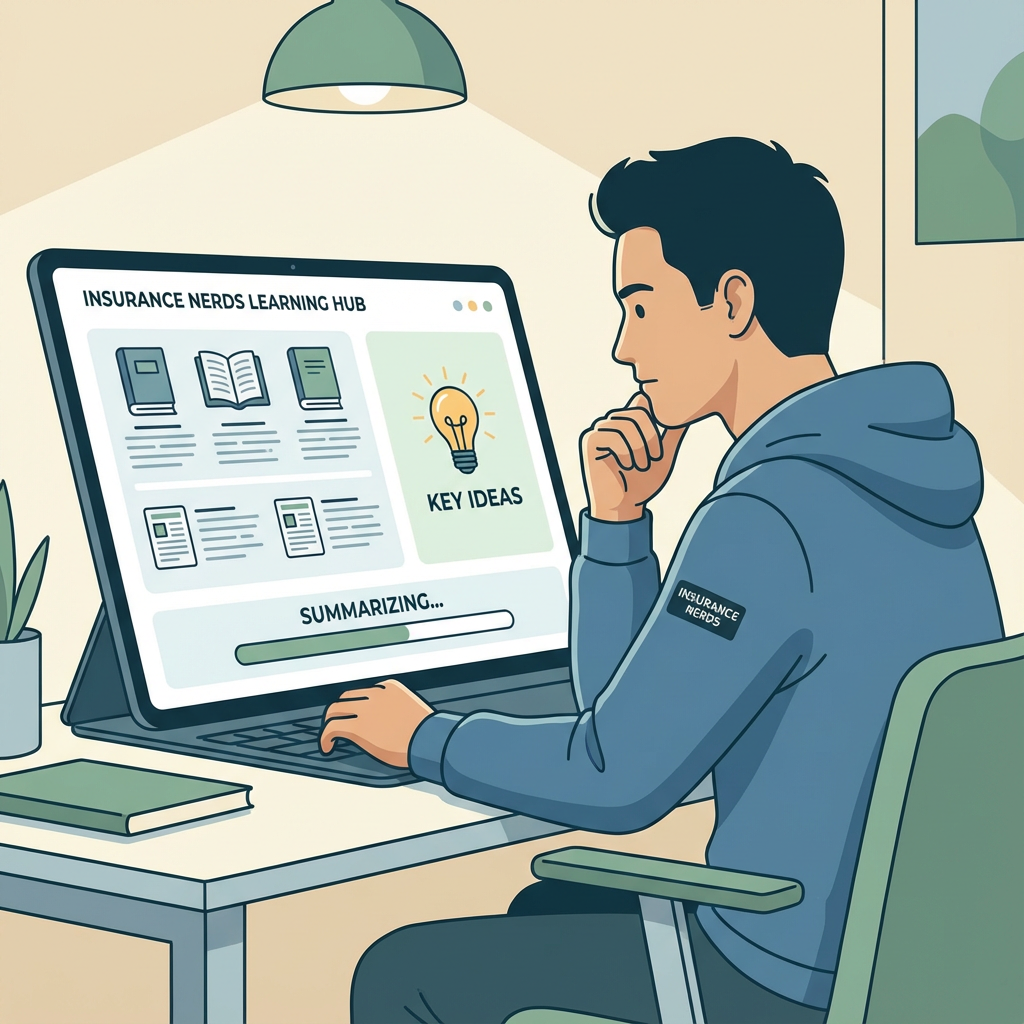
The rapid advancement of large language models (LLMs) has transformed access to information, making it easier than ever to explore complex topics across industries. However, as Nir Zicherman, CEO and cofounder of AI learning platform Oboe, highlights in a recent discussion with Dan Shipper, the sheer availability of AI-generated content does not guarantee meaningful learning. Zicherman argues that while LLMs excel at providing answers, they often lack the ability to recognize learner engagement levels or adapt dynamically to maintain motivation. This insight holds particular relevance for insurance professionals who seek to integrate AI-driven educational tools for internal training or client education.
Insurance companies, agents, and underwriters operate in a complex regulatory and product environment that demands continuous learning. To truly benefit from AI-powered learning solutions, the industry must move beyond viewing AI as a simple repository of information. Instead, it should adopt platforms that incorporate adaptive learning techniques, multimodal content delivery, and personalized engagement strategies. This approach can help overcome common hurdles such as learner fatigue, information overload, and the challenge of translating knowledge into practical application.
The insights shared by Nir Zicherman illuminate crucial gaps in current AI learning models that insurance professionals must address to fully realize AI’s potential in training and education. Simply providing information via LLMs is not enough; platforms need to actively guide learners, recognize engagement levels, and adapt content delivery to individual needs.
Insurance organizations should invest in or partner with AI learning solutions that incorporate multimodal content, break material into digestible milestones, and include mechanisms for ongoing motivation and feedback. Furthermore, developing AI agents with greater autonomy to reassess and adjust learning pathways will be vital to sustaining long-term knowledge retention and application.
By embracing these principles, insurance companies can enhance workforce capability, improve client understanding, and maintain compliance more effectively in an increasingly complex environment.
For a deeper exploration of these concepts, insurance professionals are encouraged to listen to the full discussion with Nir Zicherman at https://every.to/podcast/why-your-ai-learning-projects-keep-fizzling-out?ph_email=nick%40insnerds.com.
Original Source: https://every.to/podcast/why-your-ai-learning-projects-keep-fizzling-out?ph_email=nick%40insnerds.com
2 min read
As insurance organizations eagerly adopt artificial intelligence (AI) technologies, recent regulatory developments in states like New York and...
3 min read
Enforcing Financial Integrity – The Importance of Separation of Duties by Crystal Temple Financial management is difficult enough in the...
3 min read
Executive Summary As artificial intelligence becomes an integral part of professional workflows in 2026 and beyond, the insurance industry faces a...