2 min read

Insurance Managers Need Three Types of Feedback to Fix Remote Underwriting Development

Insurance Managers Need Three Types of Feedback to Fix Remote Underwriting Development

Most insurance managers are unconsciously sabotaging their remote underwriters by mixing up appreciation, coaching, and evaluation in their feedback conversations.

The shift to remote and hybrid underwriting teams has exposed a critical gap in how insurance managers develop talent. Without the hallway conversations and desk-side coaching that built underwriting expertise for decades, managers are cramming everything into formal performance reviews and struggling to see results.

The solution lies in understanding that feedback isn't just positive or negative. According to leadership researcher Therese Huston, there are three distinct types of feedback that serve completely different purposes: appreciation, coaching, and evaluation. Insurance managers who master this distinction can build stronger remote underwriting teams faster than their competitors.

Appreciation: The Foundation Remote Teams Miss Most

Appreciation feedback acknowledges what underwriters are doing well right now. This isn't generic praise like "good job on that submission." Effective appreciation for remote underwriters gets specific: "Your risk assessment on that manufacturing account caught the environmental exposure that our system flagged as routine commercial property."

Remote underwriters often work in isolation, unsure if their judgment aligns with company standards. Without the visual cues and casual feedback of an office environment, they need explicit confirmation that their expertise is valued. Appreciation builds confidence that translates directly into better decision-making.

The key is timing. Appreciation works best immediately after the behavior you want to reinforce, not saved up for quarterly reviews.

Coaching: Where Technical Skills Actually Develop

Coaching feedback focuses on growth and improvement. For underwriters, this means helping them see patterns they might miss and develop the judgment that separates good underwriters from great ones.

Effective coaching for remote underwriters requires managers to ask more questions instead of giving answers. Rather than saying "You should have declined that account because of the loss history," try "Walk me through how you weighted the loss history against the risk management improvements they've made."

This approach helps underwriters develop their reasoning process, which is exactly what gets lost when managers can't observe their day-to-day decision-making remotely. The goal isn't to correct a single decision but to strengthen the thinking that drives hundreds of future decisions.

Evaluation: Setting Clear Performance Standards

Evaluation feedback communicates how an underwriter measures against company standards. This is the formal performance review territory, but it works better when appreciation and coaching have already established trust and psychological safety.

For remote underwriting teams, evaluation needs to be more explicit about standards than it was in office environments. Underwriters need clear metrics: portfolio profitability targets, declination ratios, turnaround times, and quality scores. But they also need to understand the reasoning behind these standards.

The most effective insurance managers eliminate surprises in evaluations by having regular coaching conversations throughout the year. If an underwriter's loss ratios are trending high, that becomes a coaching conversation in month two, not an evaluation surprise in month twelve.

The Psychology That Makes Remote Feedback Work

Remote feedback faces a unique challenge: people shut down when they feel threatened, and video calls can amplify that defensive response. Insurance managers need to explicitly state their good intentions at the start of feedback conversations.

Begin coaching sessions with something like: "I'm bringing this up because I want to see you succeed in developing the complex accounts that will advance your career." This isn't soft management. It's creating the psychological safety that allows underwriters to actually hear and act on your feedback.

The most successful insurance managers also separate facts from interpretations. "Your submission turnaround time increased 15% this quarter" is a fact. "You're getting lazy about processing" is an interpretation that will trigger defensiveness and shut down learning.

Insurance managers who implement these three feedback types systematically will develop stronger remote underwriting teams while their competitors struggle with generic performance reviews that change nothing. The underwriters who receive clear appreciation, targeted coaching, and fair evaluation become the senior talent that drives competitive advantage.

*This article was inspired by and builds on: Let's Talk: Make Effective Feedback Your Superpower, Therese Huston. Read the original for full details.*


*Source: Let's Talk: Make Effective Feedback Your Superpower | Tags: leadership, management, remote-work*

Insurance Performance Reviews Are Failing Women and Minorities, But Three Feedback Fixes Can Change That

2 min read

Insurance Performance Reviews Are Failing Women and Minorities, But Three Feedback Fixes Can Change That

Insurance leaders serious about diversity must confront an uncomfortable truth: their performance review process is systematically undermining the...

Read More
Profiles in Risk: E458 – Going From Unstructured to Structured (and useful) Loss Runs; Scott Knowles, CEO & Co-Founder at Loss Scan

2 min read

Profiles in Risk: E458 – Going From Unstructured to Structured (and useful) Loss Runs; Scott Knowles, CEO & Co-Founder at Loss Scan

Profiles in Risk: E458 – Going From Unstructured to Structured (and useful) Loss Runs; Scott Knowles, CEO & Co-Founder at Loss Scan by Nicholas...

Read More
Advertise on InsNerds – We are Growing FAST!

3 min read

Advertise on InsNerds – We are Growing FAST!

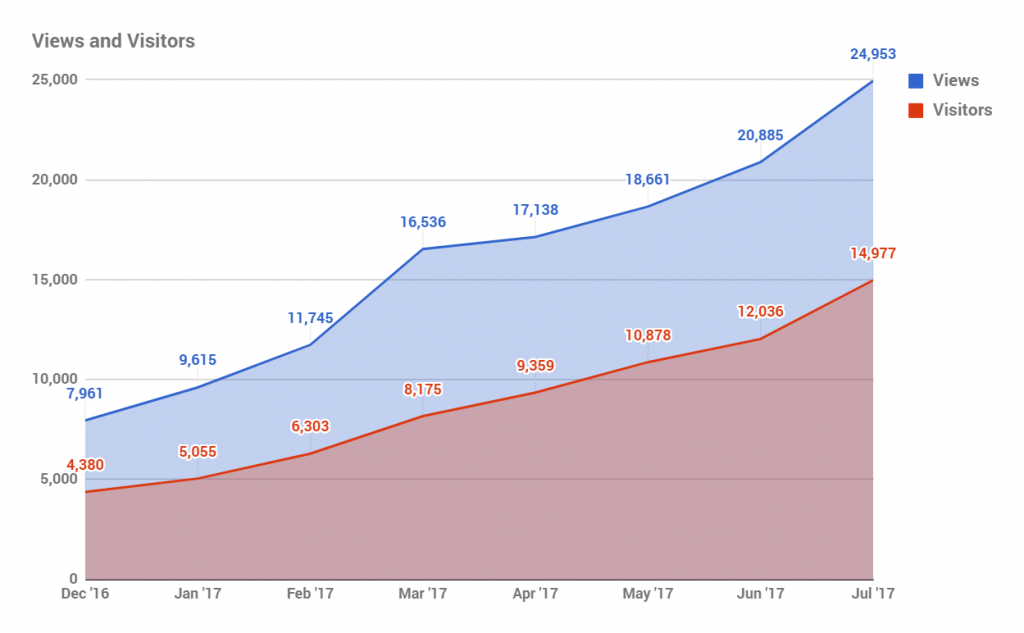
Advertise on InsNerds – We are Growing FAST! by Antonio Canas InsNerds is completely unique. No other publication is dedicated to helping ...

Read More