
3 min read

State of Hearing Benefits: Why the Market Needs a Reset

State of Hearing Benefits: Why the Market Needs a Reset

For decades, “hearing benefits” meant one thing: discounts on hearing aids. Helpful for some, but this narrow model excluded millions of people struggling with tinnitus, listening fatigue, auditory processing disorders, or balance issues.

Today, the workforce looks very different. Headphones are now essential tools of work. Hybrid and remote employees are logging hours a day on Zoom. And invisible conditions—like sound sensitivity or vestibular dysfunction—can quietly erode productivity and inclusion.

“It’s no longer enough to think of hearing health as a perk for a small group of older employees,” says Danny Aronson, CEO of Tuned. “This is a mainstream workforce issue that spans prevention, early detection, and long-term care. Hearing touches every meeting, every interaction, every piece of work we do.”

Where the Traditional Market Falls Short

Despite the prevalence of hearing loss and illness, the benefits market has largely neglected hearing health until now. Nick Lamparelli, Co-Founder and Managing Partner of Insurance Nerds, reflects, “We have insurance benefits for our overall health, eyes, mental health, and even things like cervical/spinal (chiropractic), yet nothing for ear and hearing health. Hearing devices are expensive for an individual family. And with the massive usage of headphones with younger people, we are about to see a wave of hearing issues as they become adults.”

Traditional insurance policies fall well short of providing the coverage people need for hearing health: 

  • Prevention overlooked: WHO estimates half of young people are at risk of preventable hearing loss from unsafe listening.
  • Access barriers: Over 22% of Americans have hearing loss, yet fewer than 29% use hearing aids. Cost, stigma, and lack of awareness remain systemic barriers.
  • Invisible disorders: 1 in 3 people experience tinnitus, auditory processing challenges, or decreased sound tolerance, conditions rarely covered in traditional benefits.
  • Vestibular conditions ignored: Balance disorders affect safety, focus, and workplace participation, yet they’re rarely recognized as part of employee health benefits.

Ann Boger, COO of Tuned, frames the shift as a matter of equity:

“Hearing health has been treated like a coupon book for hearing aids. That leaves out employees and their families who need support with tinnitus, balance, or simply safe listening practices. We have to move from fragmented, device-centric coverage to a more human model, one that sees hearing as central to wellness, inclusion, and productivity.”

Lamparelli agrees, “It is time for hearing health to get more resources and more attention. Amazingly, hearing benefits are quite affordable, so this becomes a no-brainer in the employee benefits space.” 

Why This Matters to Employers

Colonial Life was the earliest adapter of Tuned in the insurance benefits marketplace. "What stands out about Tuned is how practical and people-centered their approach is," said Ashley Minor, Senior Vice President of Sales at Colonial Life. "They take something that’s often overlooked—hearing health—and make it accessible, affordable, and easy for employers to offer at scale. When our teams integrate Tuned into a benefits package, we see higher engagement, stronger satisfaction, and real, measurable value for employees and their families. It’s a benefit that doesn’t just check a box—it actually improves communication, productivity, and well-being across the workplace. That’s why this partnership works, and why it matters."

The costs of untreated hearing and balance conditions are substantial: nearly $980 billion annually worldwide, according to the WHO, in terms of lost productivity, medical expenses, and social impacts. But the human toll—stress, isolation, and safety risks—is just as critical.

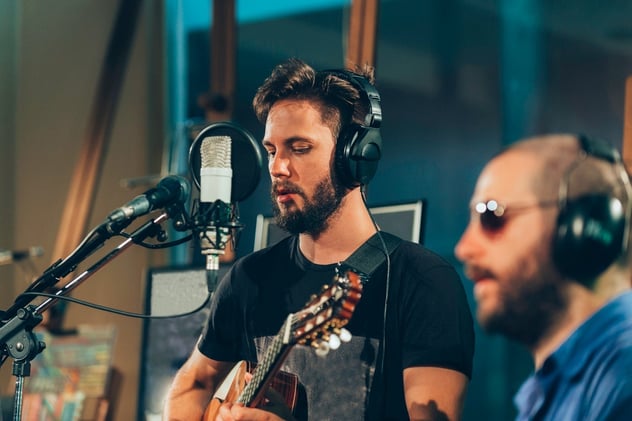
Daniel Jackson, now in his mid-30s, knows he’s at that crossroads. After years of performing in Broadway musicals, such as American Idiot and Rock of Ages, as well as years as a cruise ship entertainer, often with in-ear monitors pushed too loud, he’s only now beginning to notice hearing loss creeping in. Still playing and also teaching rock music at School of Rock, he’s forced to think about how his hearing health will shape the rest of his career.

“I never thought twice about my hearing when I was younger. Now I’m teaching and performing while noticing real changes in what I can hear and how quickly I fatigue. You start to realize hearing health isn’t optional, it’s core to how you do your job and live your life.”

A Cultural Shift Underway

The hearing benefits market is slowly shifting from a product discount to a wellness framework that integrates:

  • Prevention and protection for headphone-heavy, hybrid workers
  • Early detection and intervention for hearing loss and listening disorders
  • Management and navigation for conditions like tinnitus and decreased sound tolerance
  • Support and accommodation for balance and vestibular disorders

The bottom line: hearing and balance health are not niche. They’re foundational to how employees think, connect, and perform. Benefits leaders who treat them that way will set the pace for healthier, more inclusive workplaces.

Transforming Employee Benefits into Culture: Spotlight on Poms & Associates’ Angie Richards

3 min read

Transforming Employee Benefits into Culture: Spotlight on Poms & Associates’ Angie Richards

Transforming Employee Benefits into Culture: Spotlight on Poms & Associates’ Angie Richards by Nicholas Lamparelli “Sometimes my clients...

Read More

5 min read

The One Killer Benefit to Maximize Retention of your Millennials

The One Killer Benefit to Maximize Retention of your Millennials by Antonio Canas This article became the base for a whole chapter on our 2017...

Read More
Profiles in Risk: E463 – Employee Benefit Plans on Steroids; Jordan Peace, Co-Founder & CEO of Fringe

2 min read

Profiles in Risk: E463 – Employee Benefit Plans on Steroids; Jordan Peace, Co-Founder & CEO of Fringe

Profiles in Risk: E463 – Employee Benefit Plans on Steroids; Jordan Peace, Co-Founder & CEO of Fringe by Nicholas Lamparelli Let’s think...

Read More